Understanding Hardiness Zones
Why They Matter for Your Souls ’n Bloom Daylily
official 2023 map from usda
Choosing the right plant for your climate is one of the most important steps in long-term garden success. Plant Hardiness Zones help gardeners understand how plants respond to winter temperatures and seasonal changes. At Souls ’n Bloom, we use hardiness zone guidance to help ensure your hybridized daylily arrives healthy, establishes well, and thrives year after year.
What Are Plant Hardiness Zones?
Plant Hardiness Zones are a system used to describe how cold a region typically gets during winter. Zones are based on average annual minimum winter temperatures
The United States is divided into zones numbered 1 (coldest) through 13 (warmest). Each zone is further split into “a” and “b” half-zones for more precision.
In the image, the left of the zone is temperature in Farenheit, and on the right of the zone identifier is the temperature in Celsius
These zones act as guidelines, not guarantees. Hardiness zones help gardeners understand which perennial plants are most likely to survive winter conditions in their area.
Why Hardiness Zones Matter for Daylilies
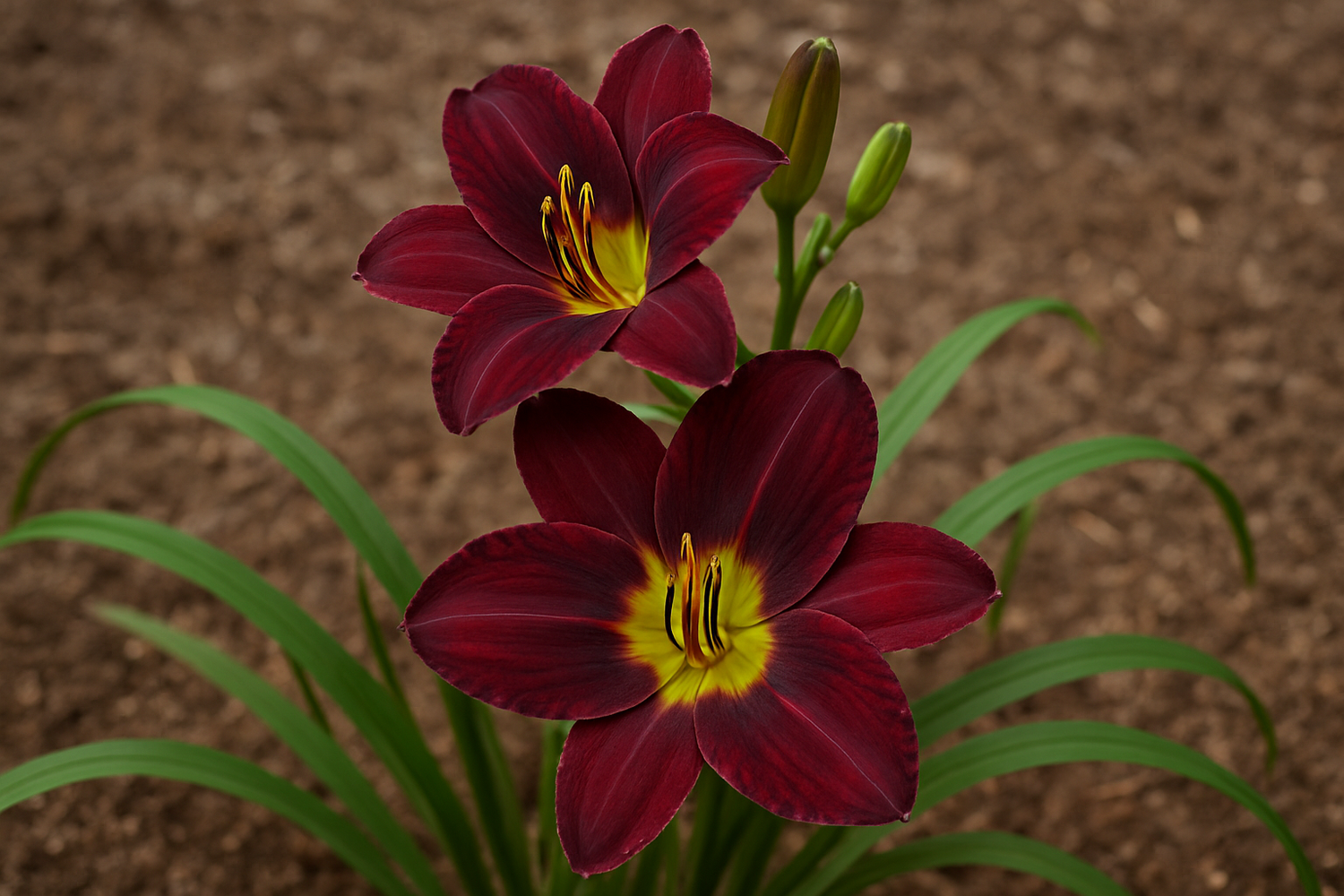
Hybridized daylilies are resilient perennials, but climate still plays an important role in their long-term performance.
- Cold tolerance affects winter survival
- Heat and seasonal length influence bloom timing
- Some varieties thrive best within specific zone ranges
- Extreme weather outside the average can impact even established plants
Understanding your zone helps set realistic expectations and supports healthier growth over time.
What Hardiness Zones Don’t Tell You
While helpful, hardiness zones are only part of the picture.
Zones reflect average minimum temperatures, not record extremes
They don’t account for microclimates within your yard
Wind, soil moisture, sun exposure, and humidity also matter
A sheltered garden can behave warmer than the surrounding area
Low spots can collect cold air and frost
This is why local experience, thoughtful planting, and proper care remain essential.
How Souls ’n Bloom Uses Hardiness Zones for Shipping & Care
At Souls ’n Bloom, hardiness zones help guide how and when we ship our hybridized daylilies.
- Lilies are shipped bare root to reduce stress and adapt better
- Shipping windows consider seasonal conditions, not just dates
- We avoid sending plants during extreme cold or heat when possible
- Care guidance is provided to support successful planting across zones
Our goal is to give your lily the best possible start—regardless of where you’re planting.
Gardening With Confidence, Not Guarantees
Hardiness zones are best used as helpful guides, not rigid rules. Gardening is shaped by experience, observation, and care over time. With proper planting, thoughtful placement, and patience, hybridized daylilies can flourish across a wide range of climates.
When you plant a Souls ’n Bloom daylily, you’re planting something designed to grow stronger with time—just like the memories, milestones, and meaning it represents.